
Baby Bottle Guides and Feeding Gear Reviews
BottleTips helps parents choose baby bottles, nipples, warmers, sterilizers, drying racks and formula prep gear, comparing nipple flow, anti-colic venting, heat-up time and cleaning effort so every feed runs smoother.
New comparisons, how-tos and buying guides land every week; use search to jump from a feeding problem to a specific pick.
Latest Contents
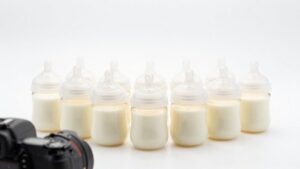
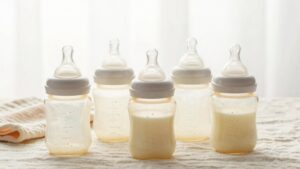
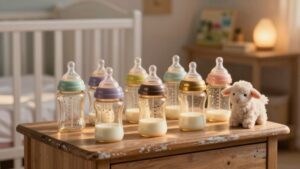
What Is BottleTips?
Product Guides & Reviews
Detailed, honest guides and reviews of baby feeding products help parents choose bottles, warmers, and sterilizers that suit their baby’s needs.
Safety & Cleaning Tips
Practical advice on proper cleaning, sterilizing methods, and choosing the right bottle brushes and drying racks to keep feeding gear hygienic.
Product Comparisons
Side-by-side features and benefits of feeding gear, so parents can see differences in nipple flow, material types (glass vs plastic), and warming systems
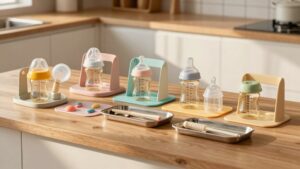
Clean tools, calm moments, happy baby — that’s thoughtful feeding in action.
How BottleTips Chooses Gear
- Real feeding routines: Every bottle, warmer and sterilizer is judged on how it fits day and night feeds, not on spec-sheet claims.
- Flow and venting: Nipple flow, anti-colic vent design and latch shape are compared because they change gas, spit-up and comfort.
- Cleaning and safety: Parts that fully disassemble, sterilize easily and resist residue score higher than designs that trap milk.
- Who it suits: Each pick names the baby age, feeding style and budget it fits, plus the trade-offs other parents report.
Frequently Asked Questions
How do I choose the right baby bottle for my newborn?
Start with a slow-flow nipple and a bottle that disassembles fully for cleaning. Glass holds temperature and is easy to sterilize, BPA-free plastic is lighter for travel, and silicone is soft to grip. Trying two or three nipple shapes in the first weeks is often the fastest way to find a good latch.
Do anti-colic bottles really help with gas and fussiness?
Anti-colic bottles use vent tubes, valves or shaped nipples to cut the air a baby swallows during a feed, which can reduce gas, spit-up and fussiness. They help most when the vent parts come apart fully, because a vent that traps milk residue quickly turns into a hygiene problem instead of a solution.
How often should I replace bottle nipples and brushes?
Swap silicone nipples every six to eight weeks, or sooner if they look thin, feel sticky or the flow changes. Replace bottles at the first sign of cracks, cloudiness or deep scratches. Bottle brushes should be changed every 30 to 60 days because worn bristles lose cleaning power and can hold bacteria.
Is a bottle sterilizer worth buying?
A sterilizer adds an extra layer of protection in the first six months, while a baby’s immune system is still developing. Electric steam units are fast for daily batches, microwave models are cheap and compact for travel, and UV cabinets also dry and store bottles. Pair any of them with a dedicated bottle brush.
What should I look for in a bottle warmer?
Look for even heating without hot spots, a fit for both glass and plastic bottles, and a timer or auto shut-off so night feeds stay safe. Heat-up time matters most at 3 a.m., and models with a defrost setting also make it easier to use stored breast milk straight from the freezer.
Most Viewed
- 110 Best Microwave Sterilizers for Travel in 2026 (Safe & Compact)
- 25 Best Microwave Sterilizers for 2026 Parents Trust
- 34 Best Microwave Bottle Sterilizers for 2026 (Safe & Simple)
- 48 Best Quick Microwave Sterilizer Bags for 2026 (Fast & Reliable)
- 57 Best Microwave Sterilizers for Nipples for 2026 (Quick & Safe)
- 16 Best Baby Bottle Drying and Prep Kits for 2026
- 26 Best Large Baby Bottle Drying Racks for 2026 (Parents Love These)
- 37 Best Baby Bottle Drying Trees for 2026 (Nursery Essentials)
- 49 Best Compact Baby Bottle Drying Racks for 2026 (Space-Saving & Stylish)
- 57 Best Bottle Drying Trees for 2026 (Parents Swear These Work)
- 17 Best Soft Silicone Bottle Nipples for 2026 (Gentle on Gums)
- 25 Best Philips Avent Bottle Nipples for 2026 (Parents Trust These)
- 38 Best Medium Flow Bottle Nipples for 2026 (Perfect for Growing Babies)
- 410 Best Anti Colic Newborn Bottle Nipples for 2026 (Pediatrician-Approved)
- 58 Best Fast Flow Bottle Nipples for 2026 (Quick Milk Every Time)
Your Trusted Guide to Baby Feeding
For new and experienced parents, baby feeding is one of the most important daily routines — and getting the gear right makes a real difference. At bottletips.com, we focus exclusively on the products, techniques, and small decisions that shape a smooth feeding experience, from the first bottle through the transition to sippy cups.
Choosing the Right Baby Bottle
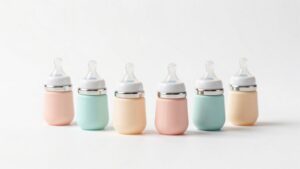
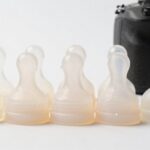
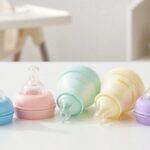
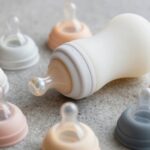
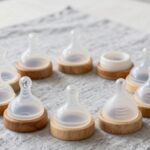
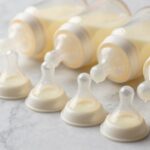
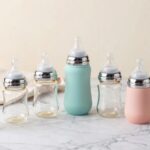
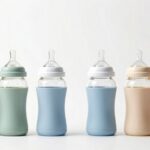
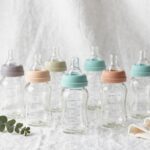
Every baby is different, and no single bottle works for every family. Glass Baby Bottles are chemical-free, easy to sterilize, and retain temperature well, while BPA-free plastic options are lightweight and shatter-resistant for travel. Silicone bottles are soft, easy for tiny hands to grip, and a smart pick for babies with sensitive gums. The shape of the nipple — wide, narrow, or angled — affects latch, gas, and overall comfort, so trying two or three styles in the first few weeks is often the fastest path to the right fit.
Anti-Colic Solutions That Actually Help
Colic is one of the biggest sources of stress in the early months. Anti-colic bottles use venting systems, internal vent tubes, or shaped nipples to reduce the air a baby swallows during feeds, which in turn helps cut down on gas, spit-up, and fussiness. Look for bottles that disassemble fully for thorough cleaning — a vent that traps milk residue quickly becomes a hygiene problem rather than a solution.
Bottle Warmers, Sterilizers, and Daily Hygiene
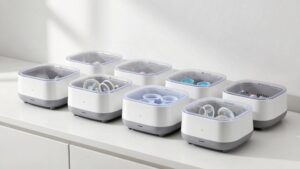
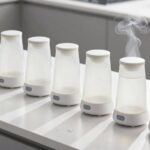
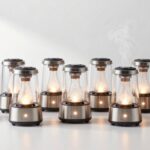
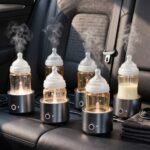
A reliable bottle warmer is a quiet lifesaver for late-night feeds. The best models heat evenly without hot spots, accommodate both glass and plastic bottles, and offer a timer so you can prep formula or breast milk in advance. Sterilizers — electric steam, microwave, or UV — add an extra layer of protection in the first six months, when a baby’s immune system is still developing. Pair them with a dedicated bottle brush set to keep nipples, threads, and internal vents free of residue between feeds.
Formula Prep, Pitchers, and Storage
For formula-fed babies, a good formula pitcher lets you batch-prep a day’s worth of bottles in under a minute and store it in the fridge without clumps or separation. A precise formula dispenser keeps the water-to-powder ratio consistent, which supports digestion and reduces waste. Storage lids that fit standard bottles extend the life of pre-made formula and breast milk and prevent leaks in diaper bags and coolers.
When to Replace Bottles, Nipples, and Brushes
Even high-quality bottles wear out. Replace glass or plastic bottles at the first sign of cracking, cloudiness, or deep scratching, and swap silicone nipples every 6–8 weeks — or sooner if you notice thinning, stickiness, or a change in flow rate. Bottle brushes themselves should be replaced every 30–60 days, as worn bristles lose cleaning power and can harbor bacteria in the bristle base.
How bottletips.com Helps Parents Decide
We test and review baby feeding products hands-on and compare them side by side so you can find the right fit for your family without buying three of everything. Every recommendation includes a clear explanation of who the product is best for, what trade-offs to expect, and what other parents have reported after weeks of daily use. Our reviews cover bottles, anti-colic systems, warmers, sterilizers, drying racks, formula prep gear, storage, and the brushes and accessories that keep everything clean and safe. Bookmark us and check back regularly — we publish new comparisons and buying guides every week to help you stay ahead of the latest launches and seasonal deals.
Related: About Us
Related: HTML SITEMAP