4 Best Slow Flow Newborn Baby Bottles for 2026 (Gentle Feeding Starts Here)
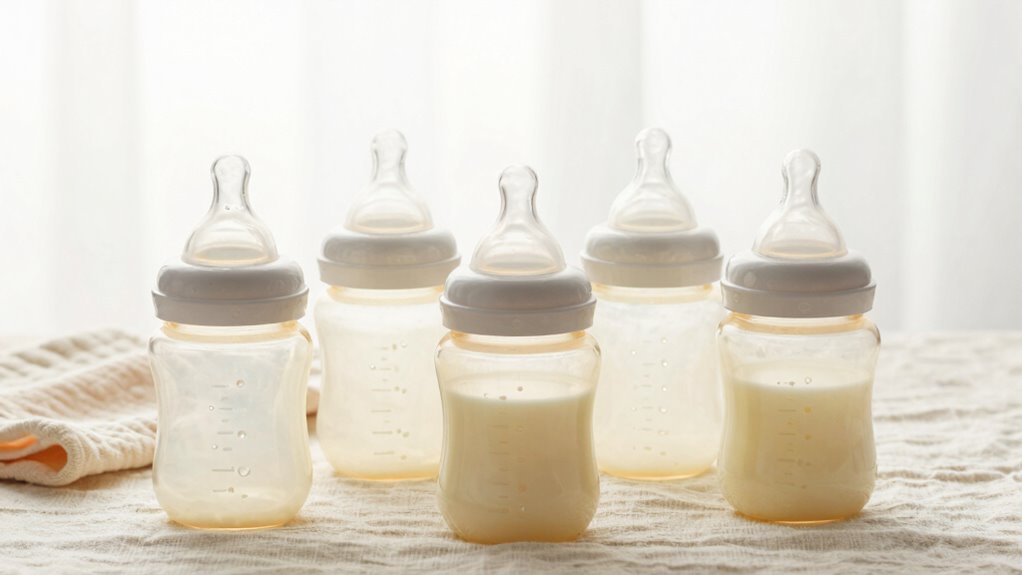
You’ll love how these top slow-flow newborn bottles reduce gas, spit-up, and colic while supporting gentle feeding. Try Dr.
Brown’s 4 oz Anti-Colic bottles with vacuum-free flow, Philips Avent’s Natural Nipple design, Dr. Brown’s full feeding set, or the glass 4 oz option for heat safety.
Each eases the shift from breast to bottle and grows with your baby. See which features match your baby’s needs and discover the full benefits waiting for you.
Quick Overview
- Dr. Brown’s Anti-Colic 4 oz bottles feature a vacuum-free internal vent system that reduces gas, spit-up, and colic symptoms in newborns.
- Philips Avent Natural bottles use a breast-like nipple and anti-colic valve to support gentle, seamless breastfeeding transitions.
- Dr. Brown’s Glass 4 oz bottles are made of durable, heat-resistant borosilicate glass and include slow flow nipples for controlled feeding.
- BPA-free materials and FDA-compliant designs ensure safety and peace of mind for parents choosing slow flow newborn bottles.
- Easy-to-clean, dishwasher-safe bottles with wide openings and minimal parts simplify maintenance while promoting hygiene.
| Dr. Brown’s Anti-Colic Baby Bottle 4 oz (4-Pack) |  | Best Overall | Anti-Colic System: Internal vent system | Nipple Flow Type: Slow Flow (Level 1) | Bottle Capacity: 4 oz | VIEW LATEST PRICE | Read Our Analysis |
| Philips Avent Natural Baby Bottles 4oz (4-Pack) |  | Top Choice for Breastfed Babies | Anti-Colic System: Anti-colic valve | Nipple Flow Type: Slow Flow (Flow 2) | Bottle Capacity: 4 oz | VIEW LATEST PRICE | Read Our Analysis |
| Dr. Brown’s Anti-Colic Baby Feeding Set |  | Most Complete Kit | Anti-Colic System: Internal vent system | Nipple Flow Type: Preemie and Slow Flow | Bottle Capacity: 4 oz | VIEW LATEST PRICE | Read Our Analysis |
| Dr. Brown’s Anti-Colic Glass Baby Bottle (4 oz 2-Pack) |  | Premium Glass Option | Anti-Colic System: Internal vent system | Nipple Flow Type: Slow Flow | Bottle Capacity: 4 oz | VIEW LATEST PRICE | Read Our Analysis |
More Details on Our Top Picks
Dr. Brown’s Anti-Colic Baby Bottle 4 oz (4-Pack)
If colic, gas, or fussiness plague your newborn’s feedings, Dr. Brown’s has your back.
You’ll love how the internal vent system reduces spit-up, burping, and gas—clinically proven to help. It keeps nutrients intact and supports digestion for more peaceful nights.
Vacuum-free feeding mimics breastfeeding so well your baby won’t know the difference. The slow-flow silicone nipple lets them eat at their own pace, encouraging proper latch.
You can even remove the vent later as your baby grows—no need to buy new bottles. It’s ideal for switching between breast and bottle, making it a no-brainer for nursing moms who want flexibility without sacrificing comfort.- Anti-Colic System:Internal vent system
- Nipple Flow Type:Slow Flow (Level 1)
- Bottle Capacity:4 oz
- Nipple Shape:Breast-like
- BPA-Free Material:BPA-Free plastic
- Dishwasher Safe:Top rack only
- Additional Feature:Vacuum-free feeding mimics breastfeeding
- Additional Feature:Vent system removable as baby grows
- Additional Feature:Clinically proven to reduce colic
Philips Avent Natural Baby Bottles 4oz (4-Pack)
For parents prioritizing a seamless blend of breastfeeding and bottle-feeding, the Philips Avent Natural Baby Bottles 4oz (4-Pack) are the top choice—especially for newborns with delicate feeding rhythms. You’ll love how the Natural Response nipple lets baby control milk flow, releasing it only during active drinking.
The soft, breast-shaped nipple guarantees an easy switch between breast and bottle. With a no-drip design and anti-colic valve diverting air from your baby’s tummy, discomfort drops considerably.
Each pack includes four 4oz bottles with slow flow (Flow 2) nipples—ideal for newborns. It’s no wonder they won Best of The Bump 2024.- Anti-Colic System:Anti-colic valve
- Nipple Flow Type:Slow Flow (Flow 2)
- Bottle Capacity:4 oz
- Nipple Shape:Breast-shaped
- BPA-Free Material:BPA-Free
- Dishwasher Safe:Yes
- Additional Feature:Baby controls milk flow actively
- Additional Feature:No-drip nipple design
- Additional Feature:Natural Response nipple technology
Dr. Brown’s Anti-Colic Baby Feeding Set
The Dr. Brown’s Anti-Colic Baby Feeding Set gives your newborn a gentle, vacuum-free feeding experience that mimics breastfeeding.
You’ll appreciate the internal vent system that reduces colic, gas, spit-up, and burping. Its breast-like nipple helps your baby latch properly and switch smoothly between breast and bottle.
The set includes four 4oz bottles, Preemie and Slow Flow nipples, travel caps, and a 100% silicone HappyPaci. Made from BPA-free materials, it’s safe, easy to clean, and sterilizer-friendly.
You can even recycle the narrow bottles later. It’s a top seller for a reason—your baby stays comfortable, fed, and sleeping better.- Anti-Colic System:Internal vent system
- Nipple Flow Type:Preemie and Slow Flow
- Bottle Capacity:4 oz
- Nipple Shape:Breast-like
- BPA-Free Material:BPA-Free plastic
- Dishwasher Safe:Top rack only
- Additional Feature:Includes HappyPaci silicone pacifier
- Additional Feature:Comes with Preemie + Slow Flow nipples
- Additional Feature:Recyclable bottle design
Dr. Brown’s Anti-Colic Glass Baby Bottle (4 oz 2-Pack)
Dr. Brown’s Anti-Colic Glass Baby Bottle gives your newborn a gentle, comfortable feeding experience.
You’ll love its 4 oz borosilicate glass bottles—durable, heat-resistant, and BPA-free. The internal vent system reduces gas, spit-up, and colic while preserving nutrients.
You get vacuum-free feeding with a consistent flow, and the breast-like silicone nipple helps your baby latch naturally. It’s perfect for slow flow, letting your little one eat at their own pace.
When your baby grows, just remove the vent. You can toss it on the top rack of the dishwasher or sterilize it—no problem.
Sustainable, smart, and designed to grow with your baby.- Anti-Colic System:Internal vent system
- Nipple Flow Type:Slow Flow
- Bottle Capacity:4 oz
- Nipple Shape:Breast-like
- BPA-Free Material:BPA-Free glass
- Dishwasher Safe:Top rack only
- Additional Feature:Made from borosilicate glass
- Additional Feature:Thermal shock-resistant
- Additional Feature:Sustainable design for all stages
Factors to Consider When Choosing Slow Flow Newborn Baby Bottles
You want a slow flow bottle that keeps your newborn comfortable and feeding smoothly. Look for anti-colic design benefits, choose a nipple shape that fits well with your baby’s mouth, and make sure the flow rate is accurate for their age.
Check material safety standards, and pick one that’s easy to clean after every use.
Anti-Colic Design Benefits
While your newborn feeds, an anti-colic design works to prevent air intake that can cause gas, spit-up, and discomfort. You’ll notice fewer colic symptoms because the internal vent system reduces vacuum and is clinically proven to minimize gas, burping, and spit-up.
This design supports gentle, vacuum-free feeding, letting your baby set the pace while mimicking the natural flow of breastfeeding. You get the added benefit of preserved nutrients in the milk, which aids digestion and often leads to more settled, restful sleep.
Many anti-colic bottles include soft, breast-like nipples that promote a proper latch, easing the switch between breast and bottle. As your baby grows, you can remove the vent system, adapting the bottle for different stages—no need to buy new ones.
It’s a smart, long-term choice that supports comfort, health, and feeding confidence from day one.
Nipple Shape Compatibility
A seamless latch starts with the right nipple shape—wide, soft, and breast-like to mimic natural feeding. You’ll want a design that supports smooth shifts if you’re switching between breastfeeding and bottle feeding.
Your baby’s comfort depends on how closely the nipple resembles what they’d naturally latch onto. Look for nipples made from flexible silicone or latex—these materials offer a realistic feel and encourage better acceptance.
Wide bases promote a deep latch, reducing air intake and potential colic. You’re not just picking a shape; you’re setting the stage for stress-free feeds.
The right fit means less fuss, fewer feeding aversions, and more comfort for your newborn. Prioritize softness, width, and realism to match your baby’s natural instincts.
With the right nipple shape, feeding becomes a calm, intuitive experience—one you and your baby can trust every time.
Flow Rate Accuracy
Since newborns need precise milk delivery, choosing slow flow bottles with accurate flow rates is essential to support safe, comfortable feeding. You want a bottle that delivers milk steadily without overwhelming your baby’s system.
Bottles with slow flow nipples let milk pass only when your baby actively sucks, mimicking breastfeeding and reducing the risk of choking. Accurate flow helps prevent excess spit-up, gas, and burping by keeping delivery in check.
Consistent flow also supports natural feeding rhythms, so your baby eats at their own pace and avoids overfeeding. Look for bottles with adjustable flow settings—this flexibility lets you adapt as your baby grows, maintaining precision over time.
You’ll enjoy smoother feeds and fewer digestive issues when flow rate accuracy is a priority. It’s a simple change that makes a big difference.
Material Safety Standards
If you’re committed to your newborn’s well-being, start by checking that the bottle materials meet strict safety standards. Choose BPA-free bottles to prevent harmful chemicals from leaching into milk.
Opt for high-quality plastics or glass that comply with FDA or ASTM regulations. Look for certifications confirming the absence of phthalates, lead, and other toxins.
If you prefer glass, pick borosilicate—it’s heat-resistant and withstands thermal shock during sterilization. For plastic bottles, verify they’re durable and free from unsafe additives.
Always confirm that silicone parts, like nipples, are food-grade and safe for infants. These materials protect your baby while supporting gentle feeding.
You don’t have to sacrifice safety for convenience—many top bottles today offer both. Prioritizing certified, non-toxic materials means you’re giving your newborn a healthier start.
Make certain every component passes rigorous safety checks. Your little one deserves nothing less than the safest feeding experience possible.
Ease of Cleaning
Keeping your newborn’s bottles clean shouldn’t be a hassle—choose ones that are dishwasher safe, preferably for the top rack, so they’re easy to sanitize after every feed. Pick bottles with fewer parts to cut down on assembly time and simplify cleaning.
Go for wide-opening designs that let you reach every corner without a brush battle. You’ll also want materials that resist staining and odors, so your bottles stay fresh with regular washing.
Don’t overlook the nipples—make sure they detach easily and can be thoroughly cleaned, since milk residue can build up fast. Bottles that meet these cleaning-friendly features save you time and give you peace of mind.
When hygiene is effortless, you can focus more on bonding and less on scrubbing—because newborn life’s busy enough.
Temperature Resistance
You’ve already made cleaning simple with fewer parts and a wide design—now consider how well the bottle handles heat. You’ll want one that withstands boiling water or electric sterilizers without warping or leaching chemicals.
Look for borosilicate glass or BPA-free plastic—they resist thermal shock and won’t crack when filled with hot formula. These materials handle rapid temperature shifts, so going from fridge to hot water is no problem.
Always check the manufacturer’s rating to confirm safe upper and lower limits. A bottle that tolerates both steaming milk and cold storage gives you flexibility for every feeding moment.
You’re not just prepping bottles—you’re ensuring safety with every warm or chilled use. Choose one that stays strong and stable, no matter the temperature.
Breastfeeding Transition Support
Though breastfeeding comes naturally to some, switching to a bottle can confuse a newborn—especially when the flow and feel differ too much. You’ll want slow flow nipples that mimic your breast’s natural rhythm, helping your baby control intake and avoid overfeeding.
Opt for bottles with breast-like nipple shapes to encourage a familiar latch and smooth adjustments. Silicone nipples deliver consistent flow, maintaining the feeding pace your little one knows.
Anti-colic features also help by reducing air intake, making the bottle experience gentler and more similar to nursing. Look for designs with removable vent systems—you can take them out as your baby grows, adapting to their evolving needs without changing bottles.
These thoughtful details support both you and your baby, making mixed feeding feel more seamless and natural every step of the way.
Bottle Durability Concerns
When durability matters, choose slow flow newborn bottles made from BPA-free plastic or borosilicate glass—both are tough, safe, and built to handle daily use. You’ll want glass if you value heat resistance, since it won’t crack under sudden temperature changes.
BPA-free plastic drops safely and still lasts, ideal for active homes. Pick bottles with removable vent systems so they adapt as your baby grows, cutting replacement costs.
You’re also saving time when you pick dishwasher-safe or sterilizer-compatible options—cleanup’s faster and gentler on materials. And if you care about sustainability, go for designs you can recycle or repurpose.
A bottle that stays functional across feeding stages isn’t just tough—it’s smart. You’re not just buying a bottle; you’re investing in one that lasts, performs, and supports your lifestyle.
Frequently Asked Questions
Can Slow Flow Bottles Reduce Spit-Up in Newborns?
Yes, they can. You’re giving your newborn control—less gulping, fewer air bubbles.
That quiet pause before a burp? It’s not luck.
Slow flow means gentler feeds, reducing pressure in tiny tummies and cutting spit-up dramatically. You’ve got this.
Are Slow Flow Bottles Suitable for Breastfed Babies?
Yes, you can use slow flow bottles with your breastfed baby—they mimic your natural milk flow, so you won’t cause nipple confusion. They help your little one keep feeding smoothly, whether at breast or bottle.
How Often Should I Replace Slow Flow Bottle Nipples?
You should replace slow flow bottle nipples every two months or sooner if they’re showing their age. Keep an eye out for cracks or thin spots—you’re better safe than sorry when it comes to your baby’s feeding gear.
Do Slow Flow Bottles Work Well With Formula Feeding?
Yes, you can use slow flow bottles with formula feeding. They control the milk flow, reducing overfeeding and gas.
You’ll find they work smoothly with formula, helping your newborn gulp less air and feed more comfortably during each session.
Can I Use Slow Flow Bottles for Premature Babies?
Yes, you can use slow flow bottles for premature babies—they’re like tiny lifelines, pacing each sip to match their delicate rhythm, helping them thrive without overwhelm. You’re giving them gentle, steady nourishment perfectly suited to their fragile start.
Conclusion
You’ve got this, super parent of 2026—feeding your newborn just got easier. These slow flow bottles don’t just reduce gas and fuss, they’re practically time machines, delivering the calm of 1950s kitchen tranquility to your modern midnight feeds.
From anti-colic tech to gentle silicone nipples, you’re in good hands. Pick your favorite, warm the milk, and breathe.
Smooth feeding isn’t ancient history—it’s right here, right now.